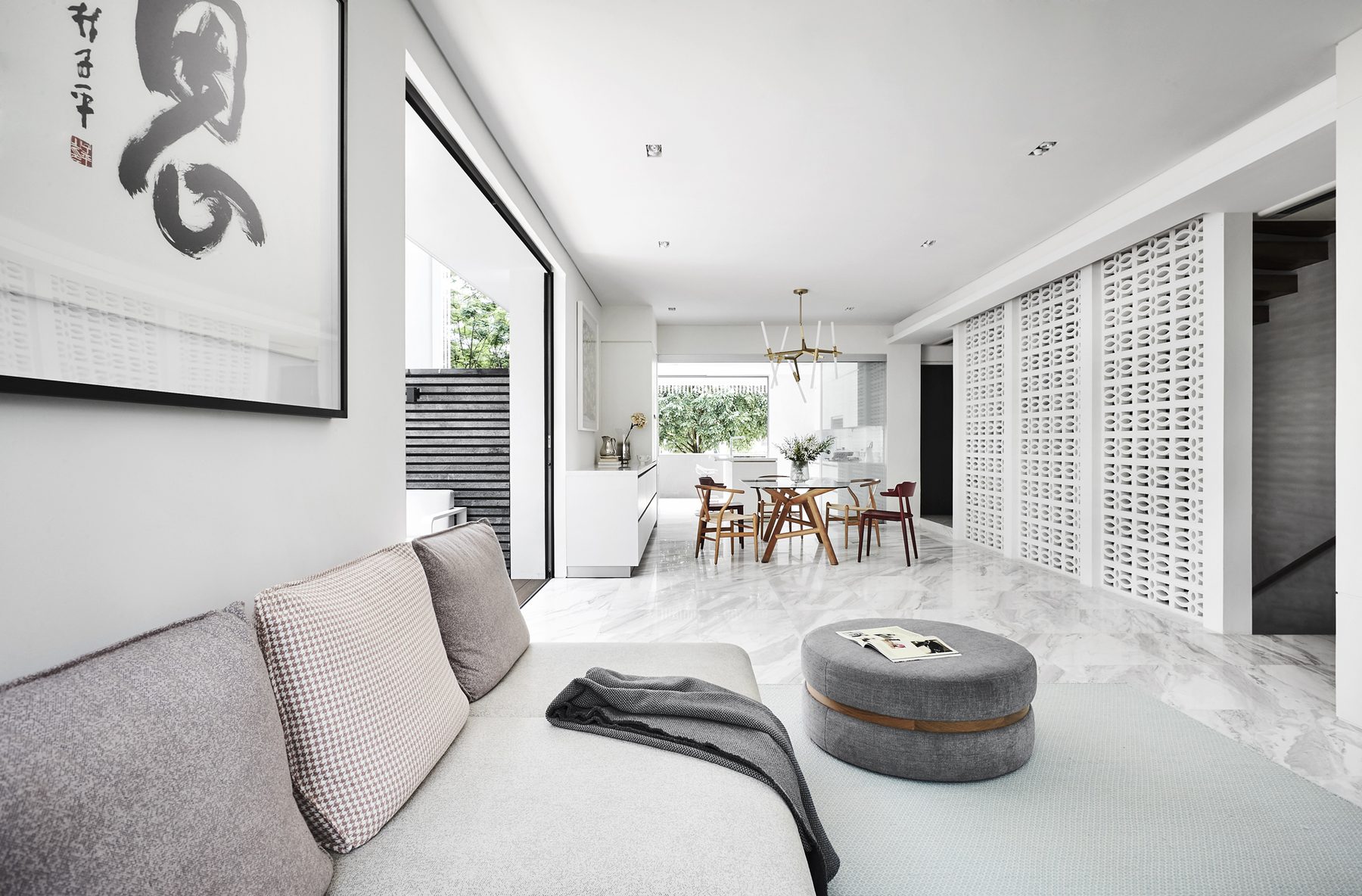
What Does Timeless Design Really Mean?
Photo: Old Holland Road (2018)
Timeless design is a phrase often used in interiors, but its meaning goes far beyond choosing neutral colours or avoiding obvious trends.
For Collective Designs, timelessness is about creating a home that is meant to endure — visually, functionally and emotionally.
This does not mean creating an interior that never changes. Nor does it mean rejecting everything contemporary. Instead, timeless design begins by looking beyond what happens to be fashionable at a particular moment and asking a more enduring question: will this home continue to support the people who live in it as their lives evolve?
Beyond Trends
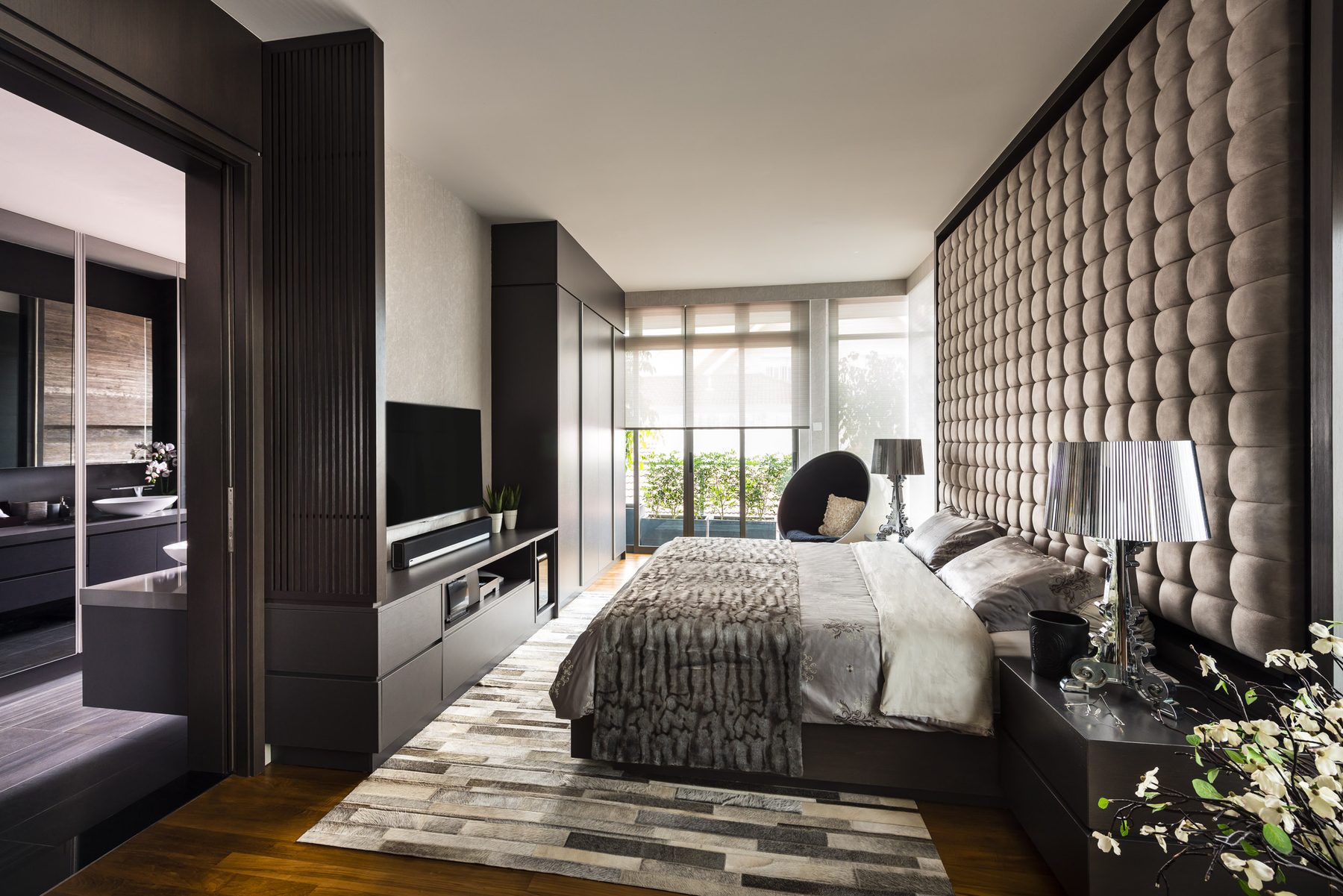
Photo: Berwick Drive (2014)
Interior trends can be a useful source of inspiration, but a home designed entirely around what is popular today may begin to feel dated once those preferences change. For Collective Designs, a more enduring interior starts with the homeowner rather than the trend. Personality, lifestyle and individual preferences form the foundation, supported by careful consideration of proportion, functionality and emotional durability.
The result is not a home designed to belong to a particular year. It is a space that feels personal enough to remain relevant even as the wider design landscape changes around it.
Timeless Is Not a Particular Style
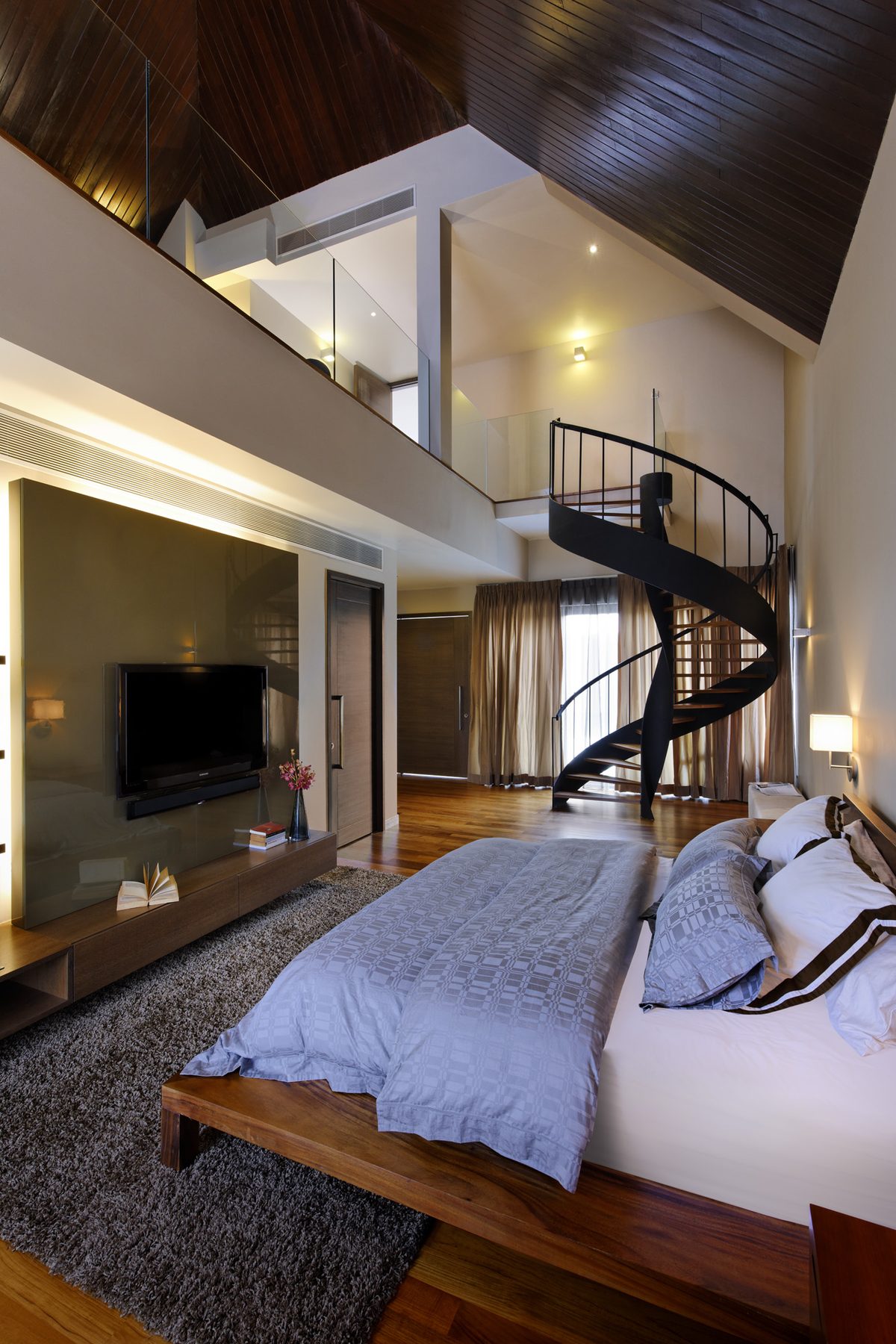
Photo: Branksome Road (2010)
Timeless design should not be confused with minimalism, classicism or any other specific aesthetic. A home can be contemporary, richly layered, restrained or expressive and still feel timeless.
What matters is the thinking behind it. The layout should respond to how the household lives today whilst allowing room for future needs. Circulation should feel natural. Storage should support daily routines. Spaces should be able to adapt as lifestyles and priorities change. Good planning gives that evolution room to happen.
This consideration of the future is particularly important in residential design. A home is not experienced for a single moment; it develops alongside the people who live within it.
Creating Visual Calm
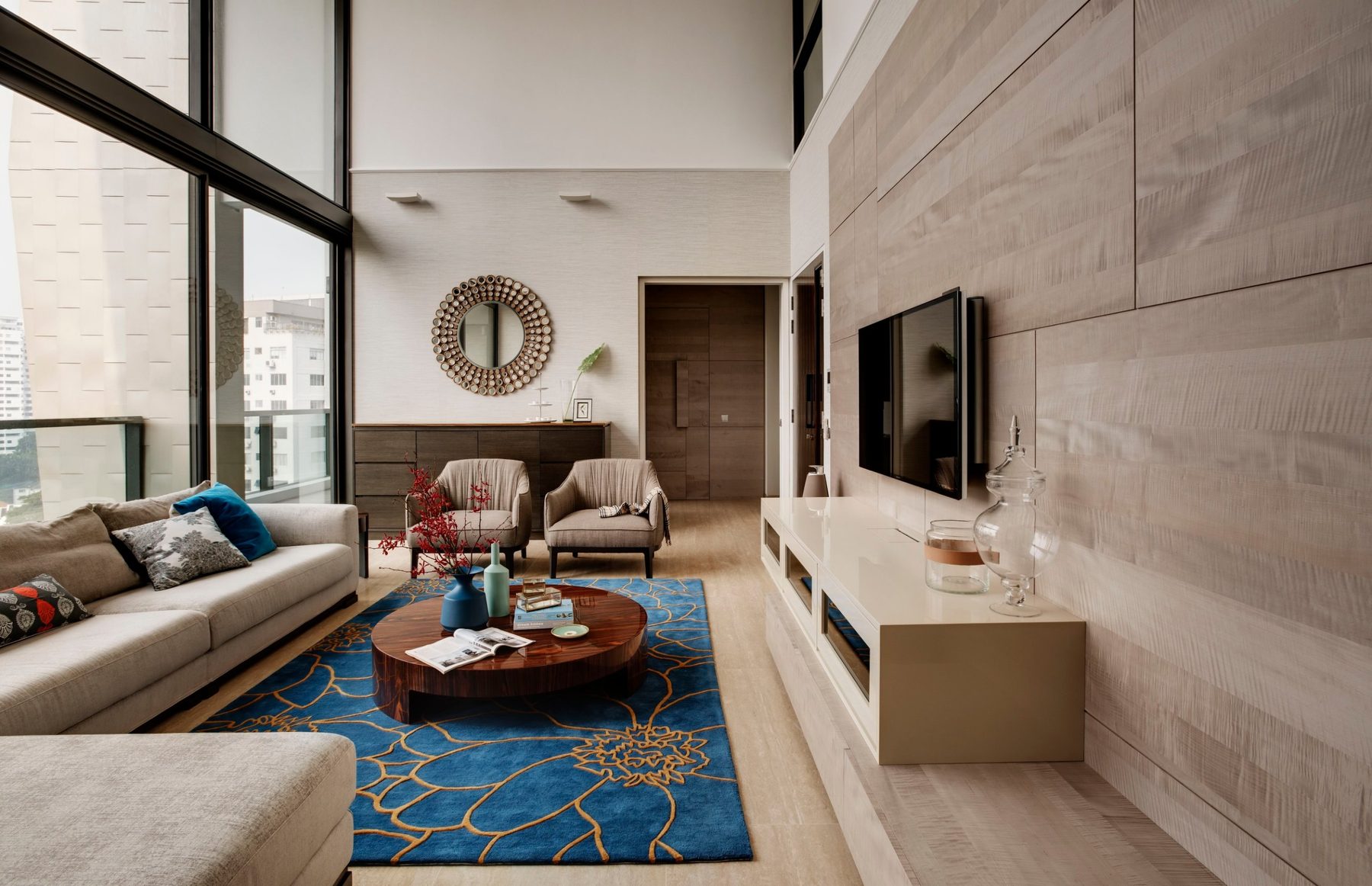
Photo: Thomlison Road (2015)
There is also an emotional dimension to timelessness.
Interiors filled with too many competing ideas, materials or decorative gestures can become visually tiring over time. By contrast, spaces with clear hierarchy and considered proportions tend to feel calmer and easier to live with.
This does not require a room to feel sparse. Rather, it means understanding where detail is needed and where restraint creates greater impact. Materials are given space to speak. Furniture is allowed to relate naturally to the architecture. Decorative elements contribute to the composition instead of competing for attention.
It is this visual calm that allows a home to remain comfortable long after its initial novelty has faded.
Designing a Home, Not Simply a House
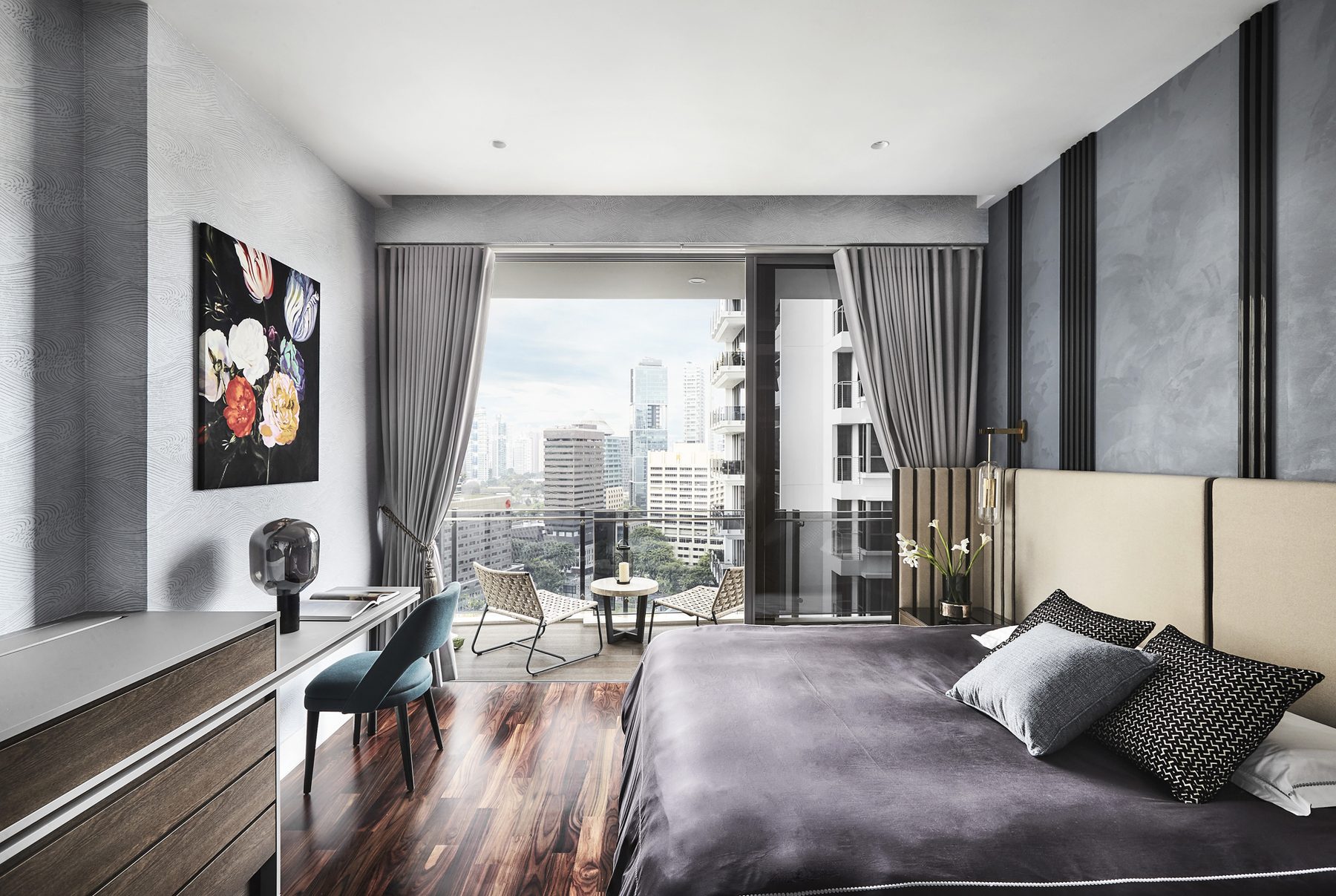
Photo: Claymore Roads Tate Residence (2019)
The distinction between a house and a home is often found in the way the space supports everyday life.
A beautifully finished interior may create an immediate impression, but a home has to do more. It needs to accommodate routines, moments of rest, family gatherings, changing priorities and the small habits that gradually become part of daily living.
When layout, functionality and atmosphere are considered together, the interior begins to feel less like a designed object and more like a place that genuinely belongs to its occupants. That sense of belonging is an important part of emotional durability. Why? Because a timeless home is one that people continue to feel comfortable living in, not simply one that continues to photograph well.
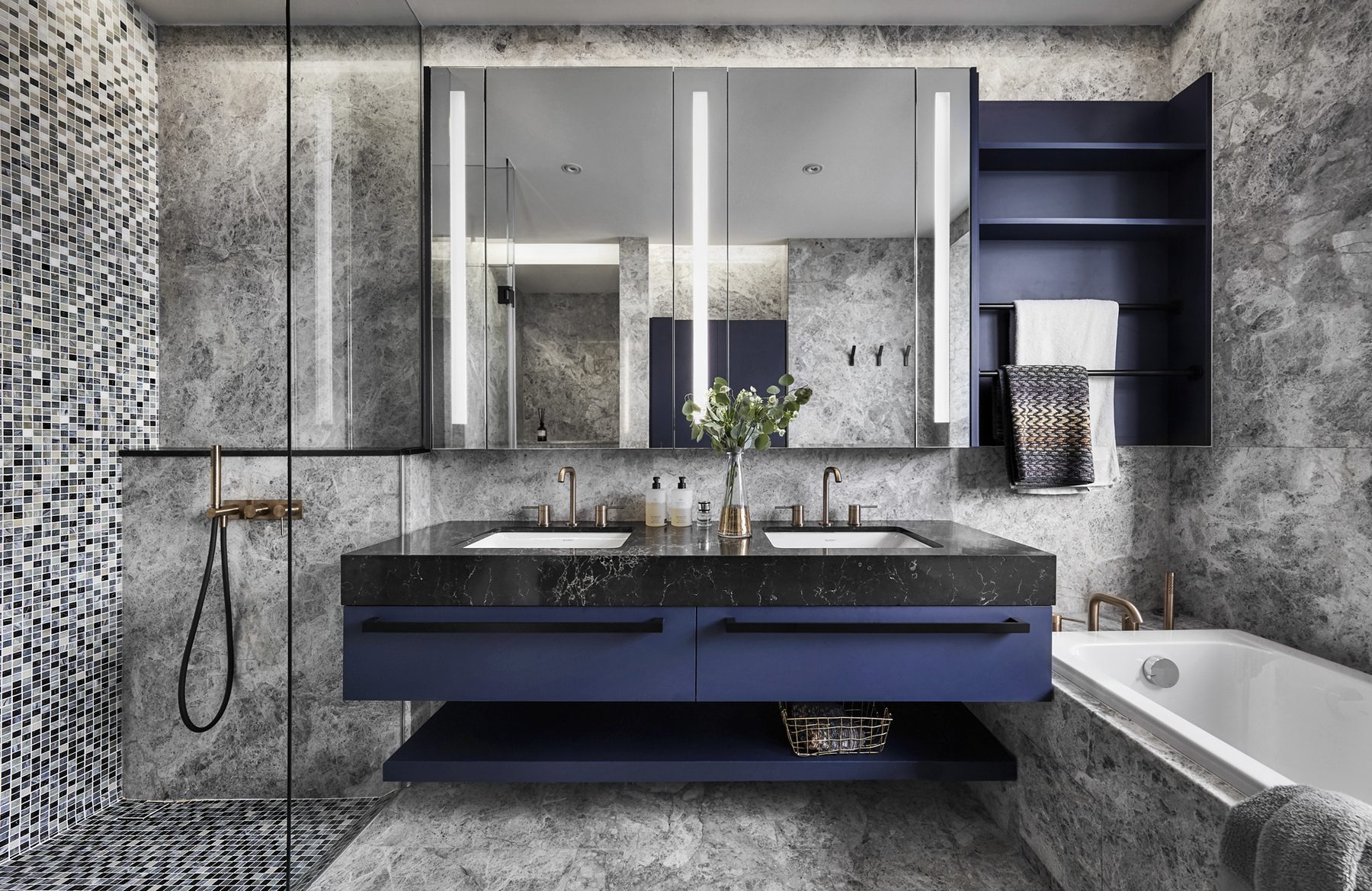
Photo: Ardmore Park (2020)
Craftsmanship Made to Endure
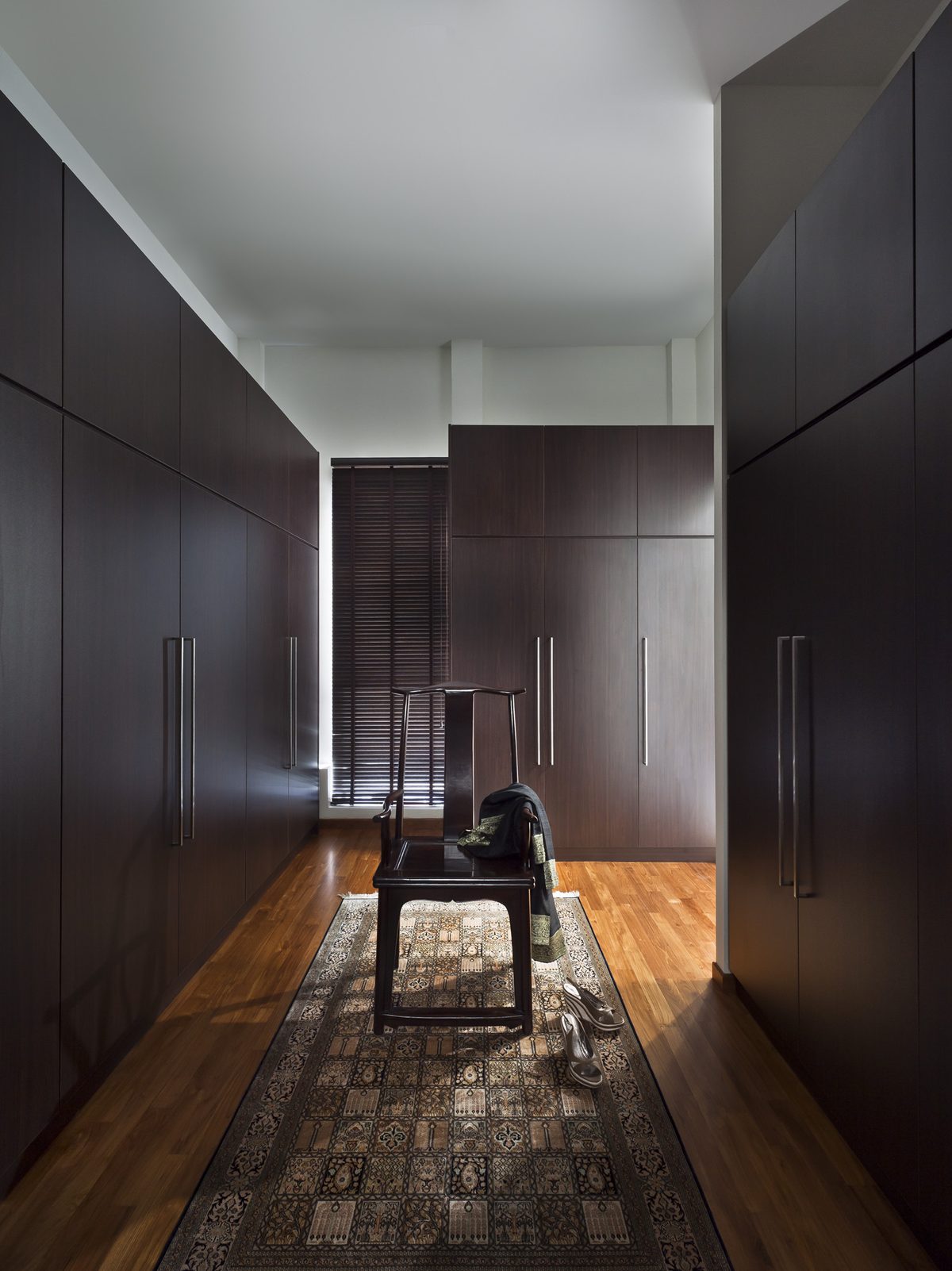
Photo: Green Leaf (2011)
Material quality and craftsmanship form another important part of Collective Designs’ approach to timeless interiors. Bespoke cabinetry and furniture allow elements to be designed specifically around the proportions, requirements and character of each home. Rather than being treated as temporary additions, they become part of the architecture itself.
Quality matters because longevity is not only visual. Cabinetry, joinery and furniture that are carefully made and built to last can continue serving the household for years, supporting the idea that good design should endure through use as well as appearance.
The result feels permanent because it was designed to belong.
Designing for Time
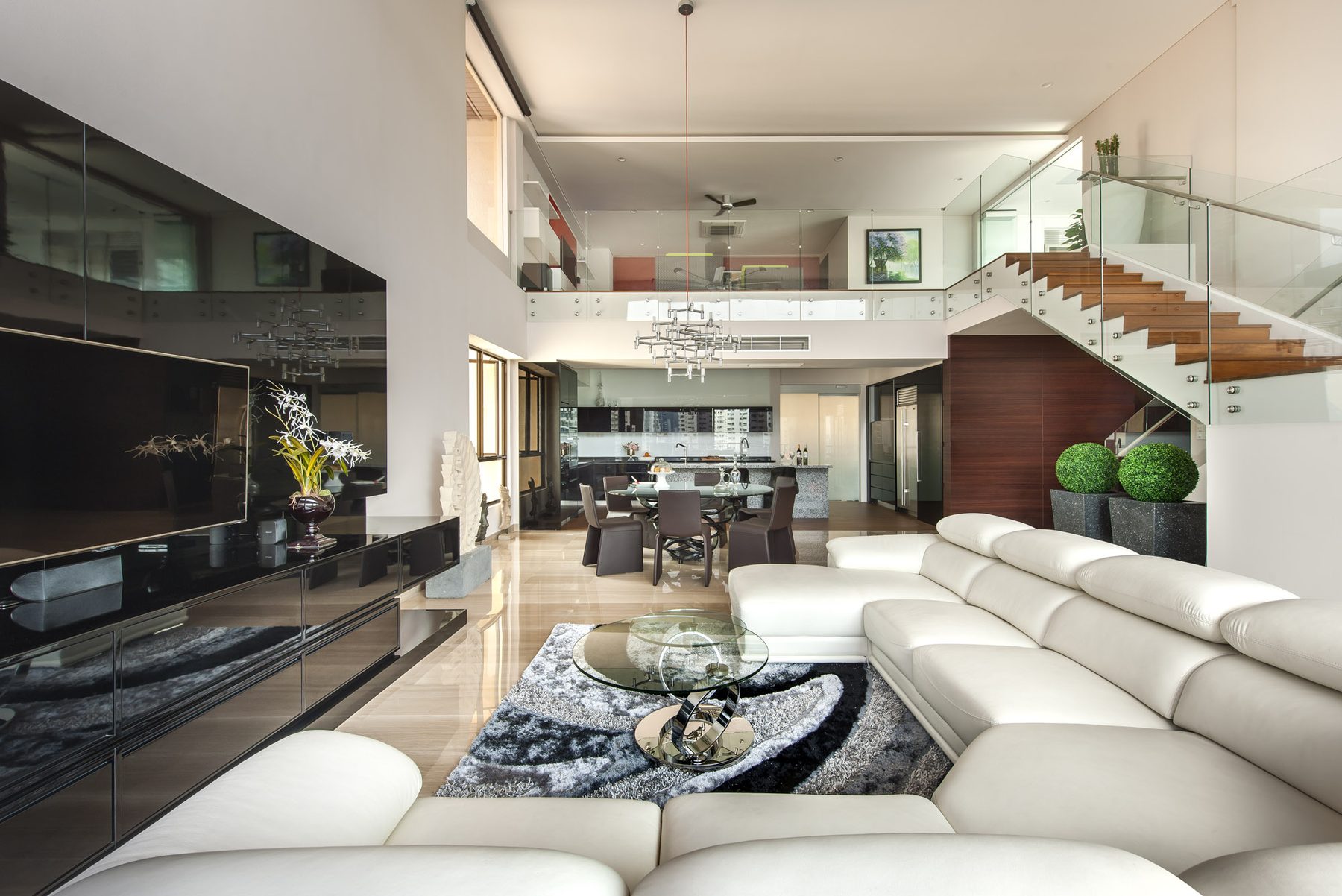
Photo: Yong An Park (2012)
Ultimately, timeless design is not about trying to predict what will still look fashionable decades from now. It is about creating interiors with enough clarity, functionality and personal meaning to remain relevant as life changes.
For Collective Designs, this means looking beyond the immediate image of a finished room and considering how that room will continue to be used, experienced and appreciated over time.
Collective Designs has been creating bespoke condominium homes and private residences in Singapore since 1991, with a design approach grounded in proportion, functionality, craftsmanship and the individual lifestyles of the people who call each space home. Because timelessness is not the absence of change. It is designing well enough to live beautifully through it.
Questions about this project
What does timeless design mean?
For Collective Designs, timelessness is about creating a home that is meant to endure - visually, functionally and emotionally. It begins by asking whether the home will continue to support the people who live in it as their lives evolve.
Is timeless design a particular style?
No. Timeless design should not be confused with minimalism, classicism or any other specific aesthetic. A home can be contemporary, richly layered, restrained or expressive and still feel timeless. What matters is the thinking behind it, from layout and circulation to storage and adaptability.
Does timeless design mean avoiding trends?
Trends can be a useful source of inspiration, but a more enduring interior starts with the homeowner rather than the trend. Personality, lifestyle and individual preferences form the foundation, supported by proportion, functionality and emotional durability.
How does craftsmanship contribute to a timeless interior?
Bespoke cabinetry and furniture are designed around the proportions, requirements and character of each home. Carefully made joinery and furniture can keep serving the household for years, so good design endures through use as well as appearance.